


You should read and learn why SSL certificates is so important for SEO, and how you can implement it correctly to your website, in this ultimate guide to SSL certificates article. You will gain insights into the significance of SSL certificates for SEO, the synergy between SSL certificates and SEO services, and actionable steps to enhance their website’s security, search rankings, and online success.
Table Of Contents

Ultimate Guide to SSL Certificates 101 – Top SEO Ranking Factors
The Importance of SSL Certificates for Businesses
In today’s digital landscape, security is paramount for businesses of all sizes, and SSL certificates play a crucial role in ensuring data protection and building customer trust. SSL (Secure Sockets Layer) certificates authenticate websites’ identities, encrypt data transmitted between a user’s browser and the website, and protect sensitive information from unauthorized access. Implementing SSL certificates is essential for any business, as it signals to customers that their data is safe and that the company takes their privacy seriously.
Overview of SEO Services in Malaysia
Search engine optimization (SEO) services have become increasingly popular in Malaysia as businesses recognize the importance of a strong online presence to drive traffic, generate leads, and boost sales. A well-rounded SEO strategy comprises various elements, including keyword research, content optimization, and technical SEO. One critical component of technical SEO is the implementation of SSL certificates, which can significantly impact a website’s search rankings. This article will explore the importance of SSL certificates for Malaysian businesses and how they can work with SEO services to achieve online success.
The Basics of SSL Certificates
What is an SSL certificate?
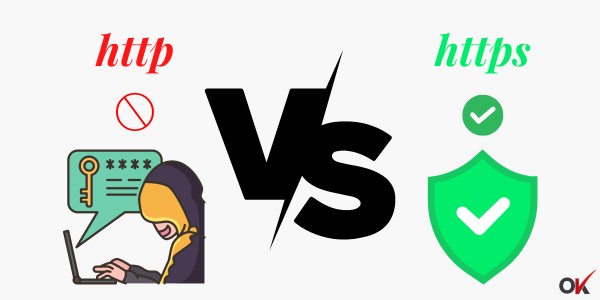
An SSL certificate is a digital file issued by a trusted Certificate Authority (CA) that verifies a website’s identity and establishes an encrypted connection between the user’s browser and the website’s server. SSL certificates use public-key cryptography to secure data transmission, making it nearly impossible for hackers to intercept and decipher sensitive information such as login credentials, credit card numbers, and personal details.
How SSL Certificates Work
When users visit a website with an SSL certificate, their browser requests the site’s SSL certificate and verifies its authenticity with the issuing CA. Once the browser confirms the certificate’s validity, it establishes an encrypted connection using a unique session key. This secure connection ensures that data transmitted between the user’s browser and the website remains confidential and protected from potential threats.
Types of SSL Certificates
There are three main types of SSL certificates, each offering varying levels of validation and trustworthiness:
- Domain Validation (DV): DV certificates provide the lowest level of validation, only verifying the domain owner’s control over the domain. These certificates are the easiest and quickest to obtain and are suitable for small businesses or personal websites that do not handle sensitive information.
- Organization Validation (OV): OV certificates offer a higher level of validation, as the CA confirms the organization’s identity and control over the domain. OV certificates are appropriate for businesses that handle customer data and require moderate trust.
- Extended Validation (EV): EV certificates provide the highest level of validation, with the CA conducting an extensive verification process to confirm the organization’s legal, physical, and operational existence. EV certificates are ideal for e-commerce websites, financial institutions, and organizations that handle highly sensitive data.
The Necessity of SSL Certificates for Businesses
Security and Data Protection
One of the primary reasons for implementing an SSL certificate is to ensure the security and protection of sensitive data. With cyber threats rising, businesses cannot afford to compromise their customers’ information. SSL certificates encrypt data transmitted between users’ browsers and websites, protecting against potential attacks.
Building Trust with Customers
Trust is crucial for businesses to establish and maintain long-lasting customer relationships. SSL certificates signal users that the website is secure and that their data is protected. Websites with SSL certificates display a padlock icon in the browser’s address bar, instilling confidence in users and encouraging them to complete transactions, sign up for newsletters, or share personal information.
Compliance with Regulations
Many industries have specific regulations and guidelines that businesses must adhere to, particularly regarding data protection and privacy. For example, Malaysia’s Personal Data Protection Act (PDPA) requires businesses to take appropriate measures to safeguard personal data. Implementing an SSL certificate is one such measure, ensuring that businesses comply with these regulations and avoid potential fines or legal issues.
The Role of SSL Certificates in SEO
Google’s Emphasis on Secure Websites
Google has long advocated for a more secure internet, and in 2014, it announced that SSL certificates would become a ranking factor in its search algorithm. Websites with SSL certificates receive a slight ranking boost over those without, making it essential for businesses to implement SSL to stay competitive in search results.
The Impact of SSL Certificates on Search Rankings
SSL certificates provide an immediate ranking boost and contribute to a website’s overall authority and trustworthiness. Websites with SSL certificates typically bounce lower as users feel more secure browsing and engaging with secure sites. Lower bounce rates and increased user engagement can indirectly improve search rankings, making SSL certificates an integral part of any comprehensive SEO strategy.
Secure Browsing Experience and User Engagement
A secure browsing experience is crucial for retaining and keeping users engaged with your content. Websites with SSL certificates provide users with a sense of security, encouraging them to explore the site further and interact with its various elements. Increased user engagement can improve search rankings, as Google considers time spent on the site, pages per session, and click-through rates when determining a website’s position in search results.
SSL Certificates and Local SEO
Local SEO in Malaysia
Local SEO optimizes a business’s online presence to attract customers and increase visibility in local search results. Malaysian businesses need to prioritize local SEO to target the country’s rapidly growing number of internet users. Implementing an SSL certificate is crucial for local SEO, as it signals to search engines and users that your business is trustworthy and secure.
Importance of SSL Certificates for Local Businesses
SSL certificates are essential for Malaysian businesses that rely on local customers. As more consumers turn to the internet to find local products and services, having a secure website can significantly impact search rankings and customer trust. Local businesses must prioritize implementing SSL certificates to stay competitive in the local market and provide a secure experience for their customers.
Ranking Factors Specific to Malaysia
While many ranking factors are universal, Malaysian businesses should also be aware of specific factors that impact local search rankings. These may include local contact information, localized content, and customer reviews. In addition to these factors, having an SSL certificate can help Malaysian businesses stand out in local search results and provide a competitive edge.
Best Practices for Implementing SSL Certificates
Choosing the Right SSL Certificate for Your Business
To select the appropriate SSL certificate for your business, consider the level of validation required, the number of domains or subdomains you need to secure, and your budget. Consult with your web hosting provider or an SEO agency like OKTIMIZE to determine the best option.
Proper Installation and Configuration

Installing and configuring an SSL certificate can be complex, particularly for those without technical expertise. Work with a reputable web hosting provider or enlist the help of an SEO agency like OKTIMIZE to ensure the correct installation and configuration of your SSL certificate.
Ensuring Site-Wide HTTPS Usage
After installing an SSL certificate, ensure your entire website uses HTTPS, including all internal and external links, images, and resources. This can be accomplished through 301 redirects, updating internal links, and modifying content management system (CMS) settings.
Monitoring SSL Certificates
Keeping SSL Certificates Up to Date
SSL certificates have expiration dates and must be renewed periodically to maintain their validity. Please keep track of your SSL certificate’s expiration date and renew it promptly to avoid potential security risks and negative impacts on your search rankings. Most certificate authorities (CAs) offer email notifications to remind you when your certificate is nearing its expiration date.
Identifying and Resolving Common SSL Issues
Common SSL issues include mixed content warnings, expired certificates, and improper installation. Monitor your website regularly for these issues, which can negatively impact the user experience and search rankings. Seek assistance from your web hosting provider or an SEO agency like OKTIMIZE to resolve any SSL-related problems promptly.
Tools for SSL Certificate Monitoring
There are several tools available to monitor SSL certificates and identify potential issues. These include SSL monitoring services like SSL Labs, which provide detailed reports on your SSL certificate’s status and configuration, and browser extensions that alert you to SSL errors while browsing your website. Regularly monitoring your SSL certificate can help ensure optimal website security and maintain your search rankings.
The Growing Demand for SEO Services in Malaysia
The Malaysian Digital Landscape
With more than 26 million internet users in Malaysia and a rapidly growing e-commerce sector, businesses must prioritize their online presence to stay competitive. The demand for SEO services has increased as businesses recognize the importance of a robust online presence to drive traffic, generate leads, and boost sales.
The Rise of E-commerce in Malaysia
E-commerce is flourishing in Malaysia, with an annual growth rate of over 20%. This growth presents opportunities for businesses to tap into the expanding online market. Implementing SSL certificates and investing in SEO services can help businesses capitalize on this growth by increasing their visibility in search results and providing a secure shopping experience for their customers.
The Need for SEO Expertise
As competition in the digital space continues to grow, businesses must invest in expert SEO services to stay ahead. An experienced SEO agency like OKTIMIZE can help Malaysian businesses navigate the complexities of search engine optimization, from keyword research and content creation to technical SEO and SSL implementation.
Choosing an SEO Service Provider in Malaysia

Evaluating SEO Service Providers
When choosing an SEO service provider, consider factors such as experience, expertise, and a proven track record of success. Look for an agency with a deep understanding of the Malaysian market and its unique challenges. Request case studies, client testimonials, and references to gauge the agency’s capabilities.
Questions to Ask Before Hiring an SEO Agency
Before hiring an SEO agency:
- Ask about their approach to SEO, the types of clients they have worked with, and the results they have achieved.
- Inquire about their experience with SSL certificate implementation and their ability to handle the technical aspects of SEO.
- Ensure the agency’s values and communication style align with your own to foster a successful partnership.
Understanding the Costs of SEO Services
The costs of SEO services can vary widely depending on the agency, the scope of work, and the level of expertise required. Obtain multiple quotes from different agencies to find the right fit for your budget and needs. Remember that while the initial investment may be significant, the long-term benefits of improved search rankings and increased traffic can provide a substantial return on investment.
SSL Certificates and SEO: Synergy for Success
The Combined Effect of SSL Certificates and SEO Services
SSL certificates and SEO services create a powerful synergy for online success. By implementing SSL certificates and investing in expert SEO services, Malaysian businesses can improve search rankings, establish customer trust, and secure their online presence.
Case Studies: Malaysian Businesses That Have Benefited
Numerous Malaysian businesses have successfully leveraged SSL certificates and SEO services to achieve online success. For example, OKTIMIZE has worked with clients across various industries, helping them implement SSL certificates, optimize their websites, and improve their search rankings, increasing traffic, leads, and sales.
**How to Stay Ahead in the Ever-Changing Digital Landscape**
Staying ahead in the constantly evolving digital landscape requires continuous learning, adaptation, and investment in the latest SEO strategies and technologies. Keep updated with industry trends, best practices, and search algorithm updates to ensure your business maintains a competitive edge. Collaborate with a reputable SEO agency like OKTIMIZE to receive expert guidance and stay informed about new SEO and digital marketing developments.
Conclusion
SSL certificates are vital in enhancing website security, building customer trust, and improving search rankings for Malaysian businesses. By implementing SSL certificates and working with a professional SEO agency like OKTIMIZE, businesses can leverage the powerful synergy of these two elements to achieve online success. With the rapid growth of e-commerce and internet usage in Malaysia, now is the time to invest in SSL certificates and SEO services to secure your online presence and stay ahead in the competitive digital landscape.
Frequently Asked Questions
How do SSL certificates impact SEO?
SSL certificates directly impact SEO by providing a slight ranking boost, as Google considers website security a ranking factor. Additionally, SSL certificates contribute to a website's overall authority and trustworthiness, leading to lower bounce rates and increased user engagement, which can indirectly improve search rankings.
What is the difference between DV, OV, and EV SSL certificates?
DV (Domain Validation) SSL certificates offer the lowest level of validation, only verifying the domain owner's control over the domain. OV (Organization Validation) SSL certificates provide a higher level of validation, confirming the organization's identity and control over the domain. EV (Extended Validation) SSL certificates offer the highest level of validation, with an extensive verification process to confirm the organization's legal, physical, and operational existence.
How can I choose the right SSL certificate for my business?
A: To select the appropriate SSL certificate for your business, consider the level of validation required, the number of domains or subdomains you need to secure, and your budget. Consult with your web hosting provider or an SEO agency like OKTIMIZE to determine the best option.
How do I ensure my entire website uses HTTPS after installing an SSL certificate?
A: After installing an SSL certificate, ensure your entire website uses HTTPS by implementing 301 redirects, updating internal links, and modifying content management system (CMS) settings. Regularly monitor your website for potential SSL issues and resolve them promptly to maintain optimal website security and search rankings.
Does having an SSL certificate guarantee higher search rankings?
While SSL certificates are a ranking factor in Google's algorithm, they are just one of many factors that influence search rankings. Having an SSL certificate alone does not guarantee higher rankings. It is important to implement other SEO best practices, such as quality content, relevant keywords, proper website structure, and user-friendly experience, to improve your overall search visibility.
Is it necessary to implement SSL certificates on all pages of my website?
It is highly recommended to implement SSL certificates on all pages of your website, not just the ones that involve sensitive data. This ensures a consistent and secure browsing experience for your users. Additionally, search engines like Google encourage the use of HTTPS site-wide, and having mixed content (HTTP and HTTPS) on your website may result in warnings or a lower ranking in search results.
Can I switch from HTTP to HTTPS without negatively impacting my search rankings?
It is possible to switch from HTTP to HTTPS without negatively impacting your search rankings if the migration is done correctly. It involves properly implementing 301 redirects from HTTP to HTTPS, updating internal links, and ensuring that all external resources are also served via HTTPS. It is recommended to consult with an SEO professional or web developer who has experience with HTTPS migration to ensure a smooth transition.
How long does it take for SSL certificates to take effect on search rankings?
Once you have installed an SSL certificate and configured your website to use HTTPS, search engines will gradually recognize the change and update their index accordingly. The exact time it takes for SSL certificates to take effect on search rankings may vary, but it generally takes a few days to a few weeks for the changes to be reflected in search results. It is important to monitor your rankings and ensure that all pages are properly indexed after implementing SSL.
Can SSL certificates improve website loading speed?
While SSL certificates themselves do not directly impact website loading speed, they can indirectly affect it. HTTPS adds an additional layer of encryption and data transfer, which can slightly increase the time it takes for a page to load. However, with advancements in technology and server optimization, the impact on loading speed is minimal and often negligible. It is crucial to optimize other aspects of your website, such as image sizes, code efficiency, and server response time, to ensure fast and efficient loading speeds.