


8 Steps to Boost SEO Content Creation in the Malaysian Market
Here are the main takeaways from this guide to understand how SEO Content Creation work its best way to bring SEO best results.
- Crafting effective content for SEO services in Malaysia requires understanding the local market, cultural nuances, and language preferences to resonate with the target audience.
- Attention-grabbing headlines play a crucial role in capturing readers’ interest and encouraging clicks on your SEO content.
- Incorporating storytelling techniques and real-life examples can make your SEO content more engaging and relatable to the readers.
- On-page SEO optimization involves optimizing title tags, and meta descriptions, using headings and subheadings effectively, and maintaining proper keyword placement and density.
- Mobile optimization, tracking SEO performance, and utilizing link-building strategies are essential for achieving success in the Malaysian market.
Table of Contents

Introduction
The Importance of SEO Content in the Malaysian Market
The Malaysian market is booming with business opportunities, and SEO content has become more critical than ever. As proficient SEOs and high-end copywriters, we at OKTIMIZE SEO Agency understand the need for well-crafted content that ranks well on search engines like Google. In this age of digital marketing, SEO-optimized content plays a crucial role in driving organic traffic to your website, leading to increased brand visibility, higher engagement, and better conversion rates.
Three essential factors to consider while creating SEO content for the Malaysian market are perplexity, burstiness, and predictability. Perplexity measures the complexity of the text, while burstiness refers to the variations in sentences. Predictability, on the other hand, gauges how likely someone is to guess the following sentence. By maintaining the right balance between these factors, we can ensure high-quality SEO content that appeals to both search engines and readers.
Understanding Malaysian Internet Users’ Behavior
The internet usage behavior of Malaysians is unique, with a mix of cultural preferences and linguistic diversity. To create SEO content that resonates with the target audience, it’s essential to understand their browsing habits, preferred platforms, and commonly used search terms. By incorporating local context, we can ensure our content caters to their specific needs and preferences, improving our chances of ranking higher on Google.
Now, let’s delve into the process of creating effective SEO content for the Malaysian market. Our goal is to provide you with a comprehensive guide that covers every aspect of content creation, from keyword research to on-page optimization and everything in between.
Researching and Identifying Target Keywords
How to Perform Keyword Research for the Malaysian Market
Keyword research is the backbone of any successful SEO strategy. To identify the most relevant keywords for the Malaysian market, use tools like Google Keyword Planner, SEMrush, or Ahrefs. These tools help you discover popular search terms, their search volume, and their competition level. Additionally, consider using Google Trends to analyze keyword popularity and identify seasonal trends specific to Malaysia.
When selecting target keywords, consider the following:
- Relevance to your business or industry
- Local context and cultural nuances
- The intent of the user behind the search query
Analyzing Keyword Competition and Search Volume
The next step is to analyze the competition and search volume for your chosen keywords. High-volume keywords usually have higher competition, making it more challenging to rank on the first page of Google. However, be bold in targeting such keywords if they are relevant to your business, as ranking well for them can drive significant organic traffic.
To get the best results, balance targeting high-competition, high-search-volume keywords with low-competition, low-search-volume keywords.
Balancing Short-Tail and Long-Tail Keywords
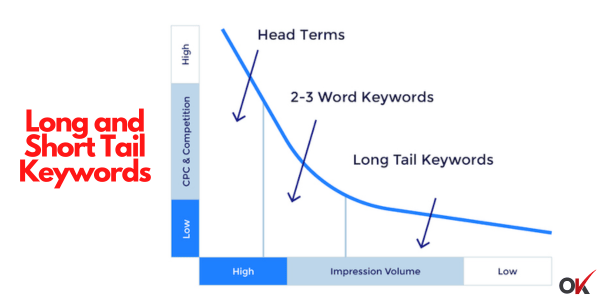
Creating a mix of short-tail and long-tail keywords in your SEO content is essential. Short-tail keywords are usually one or two words, are more generic, and have a higher search volume. Long-tail keywords, on the other hand, are longer and more specific, with lower search volume but higher conversion potential.
By incorporating both types of keywords into your SEO content, you can target a broader range of search queries and increase the chances of ranking higher on Google.
Recommended Reading: 10 Powerful Tips: Harnessing the Power of Long-Tail Keywords for SEO Success
Writing High-Quality, Engaging Content
Creating Content That Appeals to Malaysian Readers
To create SEO content that resonates with Malaysian readers, it’s crucial to understand their preferences, cultural nuances, and language choices. Here are a few tips for crafting SEO content that appeals to the local audience:
- Use a conversational tone to make your SEO content more relatable and engaging.
- Incorporate local examples, case studies, and anecdotes to provide context and showcase your understanding of the Malaysian market.
- Address the specific pain points and needs of the target audience in Malaysia.
Tips for Crafting Attention-Grabbing Headlines
Headlines capture readers’ attention and encourage them to click on your SEO content. Here are some tips for crafting attention-grabbing headlines:
- Use power words and action verbs to create a sense of urgency.
- Keep your headlines short, clear, and concise.
- Include your target keyword(s) to signal relevancy to search engines and readers.
- Test different headline variations to determine which ones resonate best with your audience.
Incorporating Storytelling Techniques
Storytelling is a powerful tool to make your SEO content more engaging and memorable. By weaving stories into your content, you can make complex concepts easier to understand and create an emotional connection with your readers. Here’s how to incorporate storytelling techniques into your SEO content:
- Use real-life examples to illustrate your points.
- Share personal experiences or customer success stories.
- Break down complex ideas into relatable scenarios.
On-Page SEO Optimization
Optimizing Title Tags and Meta Descriptions
The title tag is the HTML element that defines the title of a web page, appearing as the clickable headline in search engine results. It is crucial to optimize title tags to accurately reflect the SEO content and incorporate relevant keywords. Aim to create compelling and concise titles within the recommended character limit (around 60 characters) to entice users to click on your page.
Meta descriptions are HTML attributes that provide a brief summary of the content below the title tag in search results. Craft unique and engaging meta descriptions for each page, incorporating relevant keywords while maintaining readability. A well-written meta description can significantly impact click-through rates, so make it compelling and within the recommended character limit (around 155 characters).
Structuring Content with Headings and Subheadings
Headings and subheadings play a crucial role in organizing and structuring your content for both readers and search engines. Use heading tags (H1, H2, H3, etc.) appropriately to indicate the hierarchy and flow of information on your page.
The main heading (H1) should convey the primary topic of the page and ideally include your target keyword. Subheadings (H2, H3, etc.) help break down the content into digestible sections, making it easier for readers to scan and comprehend. Incorporate relevant keywords in subheadings while maintaining a natural and logical flow.
By structuring your content with headings and subheadings, you improve readability, user experience, and provide search engines with clear signals about the organization and relevance of your content.
Proper Use of Keyword Placement and Density
Keyword placement and density refer to the strategic positioning of keywords within your content. While it’s essential to include keywords naturally to signal relevance to search engines, avoid overstuffing your content with excessive keyword usage. Keyword stuffing can harm your rankings and diminish the quality of your content.
Place your target keyword(s) strategically in the following areas:
- The opening paragraph: Incorporate your primary keyword early on to establish relevance.
- Subheadings: Include relevant keywords in subheadings to provide context and improve readability.
- Throughout the content: Sprinkle related keywords naturally throughout the body of your content, maintaining a good balance and ensuring a smooth reading experience.
- Conclusion or closing paragraph: Reinforce the relevance of your content by incorporating your target keyword(s) in a natural and contextual manner.
Remember, focus on creating valuable and engaging content for your readers first and foremost. Write naturally and let the keywords flow organically within the context of your content.
Addressing the Linguistic Diversity of Malaysia
Creating Content in Bahasa Malaysia, English, and Chinese
Given the linguistic diversity in Malaysia, it’s important to consider creating content in multiple languages to cater to a broader audience. Identify the languages most relevant to your target audience, such as Bahasa Malaysia, English, and Chinese, and tailor your content accordingly. By offering content in the languages your audience is comfortable with, you enhance their user experience and increase the likelihood of engagement and conversions.
Understanding Cultural Nuances and Preferences
Malaysia’s multicultural society means there are diverse cultural nuances and preferences to consider when creating content. Conduct thorough research to understand the cultural norms, values, and preferences of your target audience. Respect cultural sensitivities, avoid stereotypes, and tailor your content to resonate with the specific cultural context of your audience.
Utilizing Translation and Localization Services
To ensure your SEO content’s accuracy and cultural appropriateness in different languages, consider using professional translation and localization services. These services can help you adapt your content to suit the linguistic and cultural preferences of your target audience in Malaysia.
Incorporating Visual Elements
Enhancing Content with Images and Videos

Visual elements like images and videos can significantly improve user engagement and make your content more appealing. Here are some tips for incorporating visual elements:
- Use high-quality, relevant images and videos that support your SEO content.
- Add captions or descriptions to provide context and enhance accessibility.
- Use visual aids like charts, graphs, or infographics to present complex information in an easily digestible format.
Optimizing Visual Content for SEO
To ensure your visual content contributes to your SEO efforts, follow these optimization tips:
- Use descriptive file names and alt tags for your images, incorporating your target keywords when relevant.
- Compress images to reduce file size and improve page load speed.
- Use structured data markup for videos to provide additional information to search engines.
Leveraging Infographics to Convey Information
Infographics are a powerful tool for presenting data, statistics, or complex concepts in an engaging and visually appealing manner. Incorporating infographics into your SEO content can attract more shares and backlinks, improving your overall SEO performance.
Link Building and Off-Page SEO
Developing a Link-Building Strategy for Malaysian Websites
Link building is an essential aspect of off-page SEO that involves acquiring backlinks from other websites. A robust link-building strategy can improve your domain authority and increase your chances of ranking higher on Google. For the Malaysian market, consider the following link-building tactics:
- Collaborate with local influencers, bloggers, or industry experts.
- Contribute guest posts to reputable Malaysian websites or publications.
- Participate in local online forums, communities, or social media groups to share your SEO content and generate natural backlinks.
Guest Posting and Blogger Outreach
Guest posting and blogger outreach are effective link-building strategies that involve creating content for other websites in exchange for a backlink. To maximize the benefits of guest posting:
- Target websites with high domain authority and relevance to your industry
- Offer valuable, informative content that appeals to the website’s audience.
- Include a contextual backlink to your website within the SEO content or author bio.
Utilizing Social Media Platforms Popular in Malaysia
Social media platforms like Facebook, Instagram, and Twitter are popular among Malaysians, making them excellent channels for content promotion and link building. By sharing your SEO content on these platforms, you can reach a wider audience, generate engagement, and attract more backlinks to your website.
Mobile Optimization for Malaysian Users
Understanding Mobile Usage Trends in Malaysia
Mobile optimization has become more critical than ever due to Malaysia’s increasing number of smartphone users. To create a seamless user experience for mobile users, consider the following:
- Implement responsive web design to ensure your content adapts to different screen sizes and devices.
- Optimize your content for mobile readability by using shorter paragraphs, bullet points, and clear headings.
- Test your website’s mobile performance using tools like Google’s Mobile-Friendly Test or PageSpeed Insights.
Improving Page Load Speed and Performance
A slow-loading website or slow load pages can frustrate users and lead to higher bounce rates. To improve your website’s page load speed and performance, consider implementing the following best practices:
- Optimize images and videos by compressing them and using appropriate formats.
- Minify CSS, JavaScript, and HTML files to reduce file sizes
- Leverage browser caching to store static files and improve load times for returning visitors.
- Use a content delivery network (CDN) to distribute your content across servers closer to your Malaysian audience.
Tracking and Analyzing Your SEO Performance
Setting Up Google Analytics and Search Console

Set up Google Analytics and Search Console for your website to track your SEO performance and gather insights into your audience’s behavior which is an important part of the whole content blogging. These tools can help you monitor your organic traffic, identify popular pages, and detect any issues that may affect your search rankings.
Identifying Key Performance Indicators (KPIs)
To measure the success of your SEO efforts, establish key performance indicators (KPIs) that align with your business goals. Some common KPIs to track include:
- Organic traffic
- Search rankings for target keywords
- Bounce rate
- Average time spent on page
- Conversion rates
Adjusting Your SEO Strategy Based on Performance Data
Regularly analyze your SEO performance data and make data-driven decisions to fine-tune your strategy. Identify areas for improvement and adjust your content creation, on-page optimization, or link-building efforts accordingly.
Summary
Creating compelling content for SEO services in Malaysia involves:
- Understanding the local market.
- Performing keyword research.
- It is crafting engaging content.
- Optimizing on-page elements.
- Implementing link-building strategies
Additionally, catering to linguistic diversity and mobile usage trends in Malaysia is crucial for success.
Frequently Asked Questions
Q: How important is localization for SEO content in Malaysia?
A: Localization is crucial for SEO content in Malaysia, as it ensures that your content resonates with the local audience, addresses their specific needs and preferences, and takes into account cultural nuances.
Q: What are some popular tools for keyword research in the Malaysian market?
A: Popular keyword research tools for the Malaysian market include Google Keyword Planner, SEMrush, Ahrefs, and Google Trends.
Q: How can I improve my website’s mobile performance for Malaysian users?
A: Implement responsive web design, optimize your content for mobile readability, test your website’s mobile performance using tools like Google’s Mobile-Friendly Test or PageSpeed Insights, and improve your website’s page load speed and performance.
Q: What strategies can I use for link building in Malaysia?
A: Consider collaborating with local influencers, contributing guest posts to reputable Malaysian websites, participating in online forums or social media groups popular in Malaysia, and actively engaging with the local community to generate natural backlinks.
Q: How can I measure the success of my SEO efforts in Malaysia?
A: Set up Google Analytics and Search Console for your website to track organic traffic, search rankings, bounce rates, and other key performance indicators (KPIs). Analyze the data regularly and make data-driven decisions to adjust your SEO strategy accordingly.
Want even more SEO ideas? Check out our list of SEO tips now!