


Site Speed 101: Comprehensive Guide of Site Speed in SEO
This article provides a complete guide on how site speed improved overall SEO results. Below are the key takeaways from the article:
- Site speed is crucial for SEO: Optimizing site speed is essential for businesses in Malaysia to improve their search engine rankings and deliver a positive user experience.
- Key metrics and tools: Businesses should monitor important site speed metrics such as page load time, time to first byte (TTFB), first contentful paint (FCP), and Speed Index.
- Mobile site speed optimization is vital: With the increasing use of mobile devices, optimizing site speed for mobile users is more important than ever. Businesses should consider mobile-first indexing, Accelerated Mobile Pages (AMP), and responsive web design to cater to mobile users and maintain high search visibility.
- Real-life case studies: Real-world examples demonstrate the positive impact of site speed optimization on businesses. From eCommerce companies to news portals, businesses have seen improvements in conversion rates, page views, and user engagement by optimizing their site speed.
- Overcoming challenges and the future of site speed: Businesses may face technical challenges and resource constraints during site speed optimization.
Table of Contents
Introduction
In today’s fast-paced digital landscape, site speed has become crucial for businesses looking to stay competitive and deliver exceptional user experiences. This comprehensive guide will discuss the importance of site speed in SEO services for Malaysian businesses, focusing on the key benefits and optimization strategies. By understanding the role of page speed and implementing best practices, companies like OKTIMIZE can help Malaysian businesses thrive in the online market.
Defining site speed
Site speed, also known as page speed or page load time, refers to the amount of time it takes for a web page to load and display its content. This includes the time it takes for a browser to receive the first byte of information from a server, render text and images, and execute any scripts necessary for the page to function. Page speed is critical to website performance, as it directly impacts the user experience, search rankings, and overall online success.
The impact of site speed on user experience
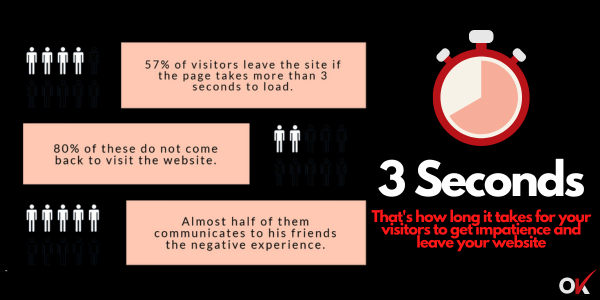
In today’s fast-paced world, internet users have increasingly high expectations for website performance. Studies have shown that even a one-second delay in page load time can lead to a 7% reduction in conversions and a 16% decrease in customer satisfaction. Additionally, 57% of users will abandon a website that takes more than three seconds to load. Consequently, site speed is crucial to ensuring a positive user experience, as it keeps visitors engaged and encourages them to explore your website further.
Importance of site speed for Malaysian businesses
With the rapid growth of internet usage in Malaysia, optimizing site speed has become essential for businesses aiming to succeed in the digital landscape. According to the Malaysian Communications and Multimedia Commission (MCMC), Malaysia’s internet users are expected to surpass 30 million by 2025. As a result, Malaysian businesses must prioritize Page speed optimization to cater to the increasing number of online consumers and maintain a competitive edge in the digital market.
By partnering with reputable SEO agencies like OKTIMIZE, Malaysian businesses can ensure their websites are optimized for speed and performance, resulting in improved user experiences, higher search rankings, and increased online visibility.
How Site Speed Affects SEO
Google’s algorithm and site speed
Google has long recognized the importance of page speed in delivering a positive user experience. In 2010, the search engine giant announced that site speed would be included as a ranking factor in its algorithm. This move was further emphasized in 2018 when Google introduced the “Speed Update,” which made site speed a more significant factor in mobile search rankings.
Google’s focus on site speed underscores the importance of optimizing your website for desktop and mobile users to ensure high search visibility and rankings.
Site Speed’s Impact on search rankings
As mentioned earlier, page speed is a critical ranking factor in Google’s algorithm. Websites that load quickly and provide a smooth user experience will likely be rewarded with higher search rankings. In contrast, slow-loading websites may need more search visibility and higher rankings, making it harder for potential customers to find them.
A study by Backlinko revealed that the average load time for a top-ranking website on Google is 1.65 seconds, highlighting the need for businesses to prioritize page speed optimization to remain competitive in search results.
User behavior and Its Influence on SEO
Page load time also impacts user behavior, which in turn influences SEO performance. Slow-loading websites can lead to higher bounce rates, as users are more likely to leave the site without engaging with the content. This negative user behavior signals to search engines that the website may not provide a satisfactory experience, potentially negatively impacting search rankings.
Conversely, websites with fast load times are more likely to encourage user engagement, with visitors spending more time on the site and exploring its content. This positive user behavior can lead to lower bounce rates, increased page views, and higher average time-on-site, all of which are factors that search engines consider when determining search rankings.
Malaysian businesses can improve user engagement and behavior by optimizing page speed, improving SEO performance and higher search rankings.
Benefits of Optimizing Site Speed for Malaysian Businesses

Improved user engagement
As mentioned earlier, site speed plays a crucial role in user engagement. Fast-loading websites provide a seamless user experience, making it more likely for visitors to stay on the site and explore its content. This increased engagement can lead to higher click-through rates, more page views, and, ultimately, more conversions.
Increased conversion rates
Numerous studies have established a clear link between page speed and conversion rates. A faster website leads to a better user experience, encouraging users to take desired actions, such as purchasing, signing up for a newsletter, or contacting your business. Malaysian businesses can boost conversion rates and maximize online revenue by optimizing page load time.
Enhanced brand reputation
A website that loads quickly and provides a smooth user experience can leave a lasting impression on visitors, contributing to a positive brand image. In contrast, slow-loading websites can frustrate users, potentially leading to negative brand perception. By prioritizing site speed optimization, Malaysian businesses can enhance their brand reputation and foster customer trust and loyalty.
Reduced bounce rates
As previously discussed, page speed directly impacts bounce rates. Faster websites are likelier to engage visitors, resulting in lower bounce rates. This contributes to improved SEO performance and increases the likelihood of users taking the desired action on your site.
By partnering with experienced SEO agencies like OKTIMIZE, Malaysian businesses can ensure their websites are optimized for site speed, enabling them to reap the numerous benefits associated with faster load times and improved user experiences.
Key Site Speed Metrics and Tools
To optimize page speed effectively, it’s essential to understand the key metrics and tools used to measure website performance. By monitoring these metrics, businesses can identify areas for improvement and implement optimization strategies to enhance user experiences and SEO performance.
Page load time
Page load time refers to the duration for a web page to fully display its content. This includes the time taken to load all text, images, and scripts necessary for the page to function. A fast page load time is crucial for a positive user experience and higher search rankings.
Time to first byte (TTFB)
TTFB measures the time it takes for a browser to receive the first byte of information from a server. A low TTFB indicates that your server responds quickly, which is essential for a fast-loading website. Businesses can improve their TTFB and page speed by optimizing server response times.
First contentful paint (FCP)
FCP measures the time it takes for the browser to render the first piece of content on the page, such as text or an image. A lower FCP indicates that your website quickly provides users with visual feedback, contributing to a better user experience.
Speed Index
The speed index is a performance metric that estimates how quickly a page’s content is visually displayed. A lower Speed Index score means the page displays content more quickly, improving the user experience and potentially leading to higher search rankings.
Site speed tools and their features
Several tools are available to help businesses measure and optimize their page speed. Some popular options include:
- Google PageSpeed Insights: This free tool from Google analyzes your website’s performance on both desktop and mobile devices, providing a score and recommendations for optimization.
- WebPageTest: This open-source tool allows you to test your website’s performance using different browsers, locations, and connection speeds, offering in-depth insights into potential areas for improvement.
- GTmetrix: GTmetrix analyzes your website’s performance and provides a comprehensive report with actionable recommendations to improve page speed.
By leveraging these tools and working with SEO agencies like OKTIMIZE, Malaysian businesses can monitor their site speed metrics, identify areas for improvement, and implement effective optimization strategies.
Best Practices for Optimizing Site Speed
Optimizing page speed involves several strategies and techniques to improve website performance and deliver a better user experience. Here are some best practices to consider:
Image optimization
Large, unoptimized images can significantly impact page load time. To address this issue, consider compressing images, using the correct file format, and implementing responsive images to ensure they load quickly on all devices.
Browser caching
Browser caching allows browsers to store static files, such as images and stylesheets, so they don’t need to be reloaded whenever a user visits your website. Implementing browser caching can significantly improve site speed and reduce server load.
Minification of CSS, JavaScript, and HTML
Minification involves removing unnecessary characters, whitespace, and code from your website’s CSS, JavaScript, and HTML files. This process reduces file sizes and improves page speed by decreasing the amount of data that needs to be downloaded when a user visits your site.
Content delivery networks (CDNs)
A CDN is a network of servers distributed across multiple geographic locations that work together to deliver your website’s content to users more efficiently. By using a CDN, businesses can improve page load time by serving content from a server closer to the user, reducing latency and load times.
By implementing these best practices and collaborating with experienced SEO agencies like OKTIMIZE, Malaysian businesses can optimize their site speed and enjoy the numerous benefits of improved website performance and user experience.
Mobile Site Speed Optimization
With the increasing popularity of mobile devices, optimizing site speed for mobile users has become more critical than ever. Here are some essential strategies for mobile page speed optimization:
The importance of mobile site speed
As more users access the internet through their smartphones and tablets, mobile page speed has become vital in delivering a positive user experience. According to Google, 53% of mobile site visits are abandoned if a page takes over three seconds to load. As a result, businesses must prioritize mobile site speed optimization to cater to the growing number of mobile users and maintain a competitive edge in the digital market.
Google’s mobile-first indexing
In 2018, Google introduced mobile-first indexing, which means the search engine primarily uses a website’s mobile version for indexing and ranking purposes. This change further underscores the importance of optimizing your website for mobile users to ensure high search visibility and rankings.
Accelerated Mobile Pages (AMP)
AMP is an open-source project designed to create fast-loading mobile web pages by simplifying HTML, CSS, and JavaScript. By implementing AMP, businesses can significantly improve their mobile page speed and provide a better user experience to mobile visitors.
Responsive web design
Responsive web design ensures that your website’s layout and content adapt seamlessly to different screen sizes and devices. Implementing a responsive design can improve page speed for mobile users by eliminating the need for separate mobile and desktop versions of your website, leading to a better user experience and higher search rankings.
By focusing on mobile page speed optimization and partnering with SEO agencies like OKTIMIZE, Malaysian businesses can effectively cater to the growing number of mobile users and enjoy the numerous benefits associated with faster load times and improved user experiences.
Real-world Case Studies: Malaysian Businesses
To illustrate the impact of site speed optimization, let’s take a look at some real-world case studies of Malaysian businesses that have successfully improved their website performance:
Success stories of businesses optimizing site speed
- Malaysian eCommerce Company: A leading eCommerce company in Malaysia worked with OKTIMIZE to optimize their page speed, resulting in a 50% reduction in page load time. This improvement led to a 20% increase in conversion rates, demonstrating the positive impact of site speed optimization on user experience and revenue.
- Local News Portal: A popular Malaysian news portal implemented site speed optimization strategies, including image compression, browser caching, and the use of a CDN. As a result, the portal’s average page load time decreased by 45%, significantly increasing page views and user engagement.
Lessons learned and best practices.
These case studies highlight the importance of implementing effective site speed optimization strategies and working with experienced SEO agencies like OKTIMIZE. By focusing on critical areas such as image optimization, browser caching, and CDNs, businesses can significantly improve their website performance and deliver a better user experience.
Measuring the impact of site speed optimization
To assess the effectiveness of your page speed optimization efforts, it’s essential to monitor key performance metrics such as page load time, bounce rate, and conversion rate. By tracking these metrics and working with SEO agencies like OKTIMIZE, Malaysian businesses can ensure their websites are optimized for speed and performance, resulting in improved user experiences, higher search rankings, and increased online visibility.
Challenges and Solutions in Site Speed Optimization
While optimizing site speed can yield significant benefits, businesses may encounter various challenges. This section will discuss some common obstacles and offer solutions to help Malaysian businesses overcome these challenges and achieve optimal page speed.
Technical challenges
Site speed optimization often involves complex technical processes that require specialized knowledge and expertise. Some common technical challenges include:
- Inefficient server configuration: Poor server configuration can lead to slow response times and reduced site speed. By working with an experienced SEO agency like OKTIMIZE, businesses can identify and address server configuration issues to improve site performance.
- Legacy systems and outdated technologies: Older systems and technologies may need to be optimized for speed and can hinder website performance. To enhance site speed, businesses should consider upgrading to modern systems and technologies, such as content delivery networks and responsive web design.
Resource constraints
Many businesses may need more resources, such as a limited budget or staff, which can impede their site speed optimization efforts. To overcome these challenges, consider the following solutions:
- Prioritize page speed optimization tasks: Focus on high-impact optimization strategies, such as image compression and browser caching, to maximize results with limited resources.
- Collaborate with an SEO agency: Partnering with a reputable SEO agency like OKTIMIZE can provide access to expert knowledge and resources, ensuring your site speed optimization efforts are practical and efficient.
Balancing site speed and aesthetics
Striking the right balance between site speed and aesthetics can be challenging, as high-quality images and other visual elements can impact load times. To address this issue, consider the following tips:
- Optimize images and media files: Use image compression and the appropriate file formats to reduce the size of images and media files without sacrificing quality.
- Implement lazy loading: Lazy loading defers the loading of off-screen images and media files loading until needed, reducing the initial load time and improving site speed.
By tackling these challenges and working with experienced SEO agencies like OKTIMIZE, Malaysian businesses can optimize their page speed and enjoy the numerous benefits of improved website performance and user experience.
The Future of Site Speed and SEO
As technology and user expectations evolve, page load time will remain critical to SEO and online success. Here are some future trends and considerations for Malaysian businesses to stay ahead of the curve:
The rise of 5G technology

The introduction of 5G technology is expected to revolutionize internet speeds and connectivity, leading to even higher user expectations for site speed. Businesses must continue to prioritize page speed optimization to meet these growing demands and maintain a competitive edge in the digital landscape.
Core Web Vitals and user experience
In 2020, Google announced the inclusion of Core Web Vitals, a set of metrics that measure the quality of user experience on a website, as a ranking factor. As user experience becomes increasingly important in search rankings, businesses must focus on page speed and other aspects of website performance to ensure they meet Google’s standards and maintain high search visibility.
Ongoing site speed optimization
Site speed optimization is not a one-time effort but an ongoing process that requires regular monitoring and updates. By working with SEO agencies like OKTIMIZE and staying informed about the latest trends and best practices, Malaysian businesses can ensure their websites remain optimized for speed and performance in the long term.
Conclusion
In conclusion, site speed is crucial in SEO services for Malaysian businesses, impacting user experience, search rankings, and overall online success. By understanding the importance of page speed, monitoring key performance metrics, and implementing effective optimization strategies, businesses can enhance their website performance and stay competitive in the ever-evolving digital landscape. Partnering with experienced SEO agencies like OKTIMIZE can provide valuable expertise and resources to help businesses overcome challenges and achieve optimal page speed.
As technology and user expectations evolve, businesses must stay ahead by prioritizing site speed optimization and adapting to future trends, such as the rise of 5G technology and the increasing focus on user experience. By doing so, Malaysian businesses can ensure their websites deliver fast, engaging, and user-friendly experiences that drive online success and growth.
Frequently Asked Questions (FAQs)
Why is site speed important for SEO?
Site speed is crucial for SEO because it directly impacts user experience, a critical factor in search engine rankings. Faster-loading websites are more likely to engage users, resulting in lower bounce rates, higher average time on site, and increased page views, improving search rankings.
How can I measure my website’s site speed?
Several tools are available to help you measure your website’s speed, such as Google PageSpeed Insights, WebPageTest, and GTmetrix. These tools analyze your website’s performance and provide actionable recommendations to improve site speed.
What are some best practices for optimizing site speed?
Some best practices for optimizing site speed include image optimization, browser caching, minification of CSS, JavaScript, and HTML, and using content delivery networks (CDNs). By implementing these strategies, businesses can improve their website performance and deliver a better user experience.
How can I optimize my website for mobile users?
To optimize your website for mobile users, consider implementing a responsive web design, optimizing mobile site speed, and leveraging technologies such as Accelerated Mobile Pages (AMP). By prioritizing mobile site speed and user experience, businesses can cater to the growing number of mobile users and maintain a competitive edge in the digital market.
How can an SEO agency like OKTIMIZE help with site speed optimization?
An SEO agency like OKTIMIZE can provide expert knowledge and resources to help businesses optimize their site speed effectively and efficiently. By collaborating with OKTIMIZE, businesses can access specialized expertise, identify areas for improvement, and implement successful optimization strategies to enhance website performance and user experience.